Photo by Jaykumar Bherwani
Every week another startup announces a Series A. Most of them will spend the next two years doing exactly the same thing.
Hire sales.
Hire marketing.
Launch Google Ads.
Sponsor a conference.
Post on LinkedIn.
Maybe make a video.
Some of those companies will become household names in tech. Most won’t. It won’t be because they built a better product. It’ll be because one company became memorable while everyone else became another logo in a sea of AI startups.
You raised your Series A. Congratulations. Now stop marketing like you’re still trying to raise your seed round. That’s not a knock. It’s just the mistake we see most often.
The company keeps running the same playbook it used when there were twelve people in a coworking space and every customer came from the founders’ network. That playbook got you here. It won’t get you where you’re trying to go next.
What should you do?
The startups that break out after a Series A don’t just hire more salespeople and buy more Google Ads. They start marketing like the great companies they emulate without even knowing it.
This is the marketing playbook we at Division of Labor follow if we were sitting on your side of the table.

San Francisco. Sixth and Market. There are so many Series A startups in this town it’s not fair to call one neighborhood the center, though South Park residents might beg to differ. Dog Patch too. Upper Market too. Photo by Quintin Gellar
What Actually Changes After a Series A?
Before a Series A, the mission is straightforward.
1) Build something people want.
2) Find customers.
3) Stay alive.
Marketing and advertising is mostly about momentum. You need enough awareness to keep the pipeline moving and enough credibility to convince investors you’re onto something.
Nobody expects polish. Your founder is writing LinkedIn posts at midnight. Your head of engineering is recording product demos. Your product manager is somehow also running webinars.
Everyone wears five hats.
After a Series A, survival isn’t the benchmark anymore. Growth is. Your investors want to know if this thing scales.
You’re hiring salespeople who weren’t around for the early days. Enterprise buyers are comparing you against companies with ten times your marketing budget. Reporters start calling. Recruiters start calling your employees.
You’re no longer hawking a product. You’re building a company. That requires a different kind of advertising and marketing.
“Brands get remembered. Features merely get compared.”
The Four Jobs of Series A Marketing
Series A marketing isn’t one job; it’s four.
1. Help sales sell faster.
If every sales call starts with, “So… what exactly do you do?” your advertising and marketing isn’t doing enough.
2. Help recruiting.
The best engineers, designers and product managers have options. They’d rather join a company they’ve heard of than one they have to Google.
3. Help investors invest.
Whether you’re raising a Series B, a Series C or eventually going public, perception matters. Companies that look like they’re winning tend to attract more opportunities to keep winning.
4. Help customers remember.
This is the one founders underestimate.
Features get compared. But brands get remembered.
It’s worth repeating:
Brands get remembered. Features merely get compared. (This is important enough to put it in a larger font with quote marks around it. See pull quote above.)

Manhattan and Brooklyn. Both startup hubs. Pick a neighborhood downtown and startups are scrambling for space. Photo left by Nina Hill. Photo right by Connor Scott Mcmanus
Brand Matters Earlier Than You Think
Most founders think branding starts after growth. That’s wrong. We’d argue it starts before growth.
The sooner customers recognize you, trust you, and remember you, the easier every sales conversation becomes. Don’t believe us, go ask your sales team.
Brand doesn’t replace performance marketing. It makes performance marketing more effective. And let’s be honest about how silly the name “performance marketing” is. Look at every brand you cover yourself head to toe in and drive and eat. You do that because they built brands, not just because you clicked on a Google ad.
Think about your own buying habits. When a company you’ve never heard of appears in your LinkedIn feed, do you care?
But if you’ve heard the CEO on a podcast, noticed the company at a conference, seen a smart ad campaign, laughed at a funny billboard or saw one of their videos, you’re far more likely to stop scrolling.
That’s what branding does. It shortens the distance between “Who are these people?” and “I’ve heard of them.” That distance matters more than most founders realize.
We’ll go much deeper into this in our next article, Product Marketing vs. Brand Marketing: What B2B Startups Get Wrong, where we’ll explain why confusing the two costs startups far more than they realize.
The Biggest Marketing Mistake We See
Founders often assume marketing problems are distribution problems.
“We need more impressions.”
“We need more leads.”
“We need more traffic.”
Sometimes that’s true. More often, they have a differentiation problem. Go look at ten AI startup websites. You’ll see a lot of gradients. A lot of product screenshots. A lot of phrases like “AI-powered workflow automation.”
None of those things are wrong, but they are interchangeable.

London. East End. Shoreditch is one of the tech clusters where startups and street art come alive. Photo by Clem Onojeghuo
The Companies People Remember
Stripe didn’t become Stripe because it processed payments. Plenty of companies processed payments.
Stripe built a brand developers trusted. Every interaction reinforced the same idea. The documentation was clear. The API felt elegant. The writing sounded like it came from people instead of marketers. The design reflected the product. It all worked together.
Slack wasn’t the first workplace chat app. It was the first one that felt human. The language was conversational. The product had personality. Even the error messages sounded like someone cared.
Notion didn’t win because of nested pages or databases. It sold a different way of working. It made people imagine a better version of themselves.
None of those companies relied on advertising alone. But when they advertised, the work reinforced what made them different. That’s what great advertising can do.
If We Were Your CMO for a Day
Every founder eventually asks the same question: “How much should we spend on marketing after our Series A?”
A better question is, “What should we spend our money on?”
Here’s how we’d approach it.
Annual Marketing Budget: $500,000
At this stage, your job isn’t to be everywhere. Your job is to look like you belong.
We’d start by investing in the foundation. Bring in someone from outside your company/echo chamber to help with:
Positioning.
Messaging.
A website that doesn’t sound like every other startup in your category.
A campaign idea that can live for a year instead of a quarter.
Then we’d create assets that work hard across every channel. A brand video. Founder videos. Customer stories. Product explainers. Short social clips. A library of content your team can use over and over again.
For media, we’d focus on channels where your buyers already spend time. LinkedIn. YouTube. Trade publications. Industry blogs and newsletters, if they exist. Podcasts with niche but influential audiences.
We’d also invest in getting your founders out into the world. Speaking engagements. Guest podcasts. Industry panels. Good founders are often better marketing assets than another month of paid search.
What we wouldn’t do is spend $400,000 driving traffic to a website that sounds exactly like your competitors.

New York. Flatiron, Union Square, SoHo, Chelsea. Startups live everywhere. Photo by Matheus Bertelli.
Annual Marketing Budget: $1 Million
Now we start expanding your footprint. This is where awareness starts to matter. Keep investing in digital, but widen the mix.
Online video.
Streaming TV where your audience is watching.
Podcast sponsorships.
SiriusXM if your buyers are commuting between airports and customer meetings.
Conference sponsorships that go beyond putting your logo on a banner.
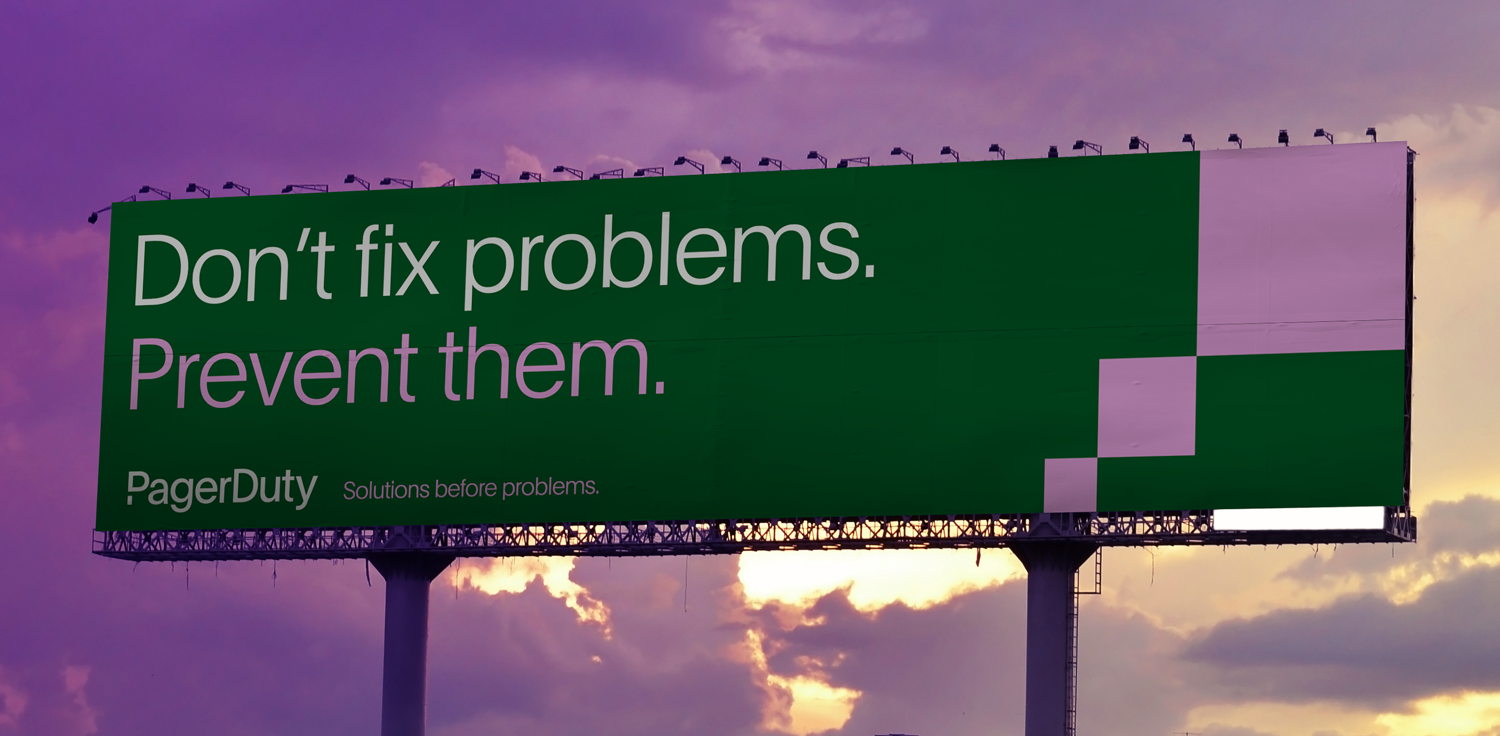
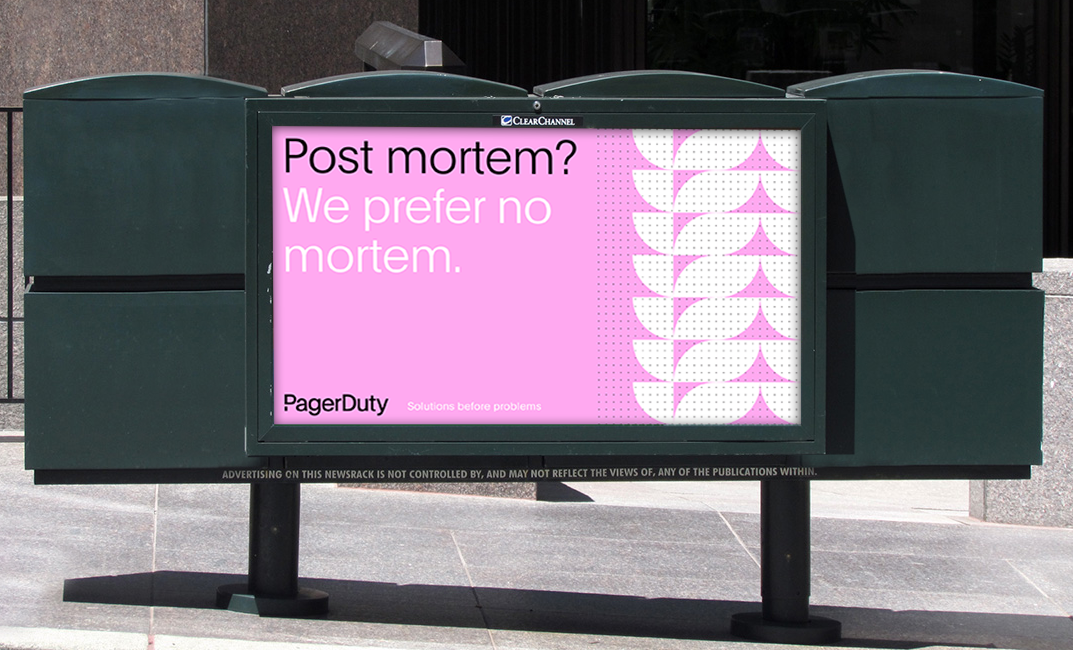
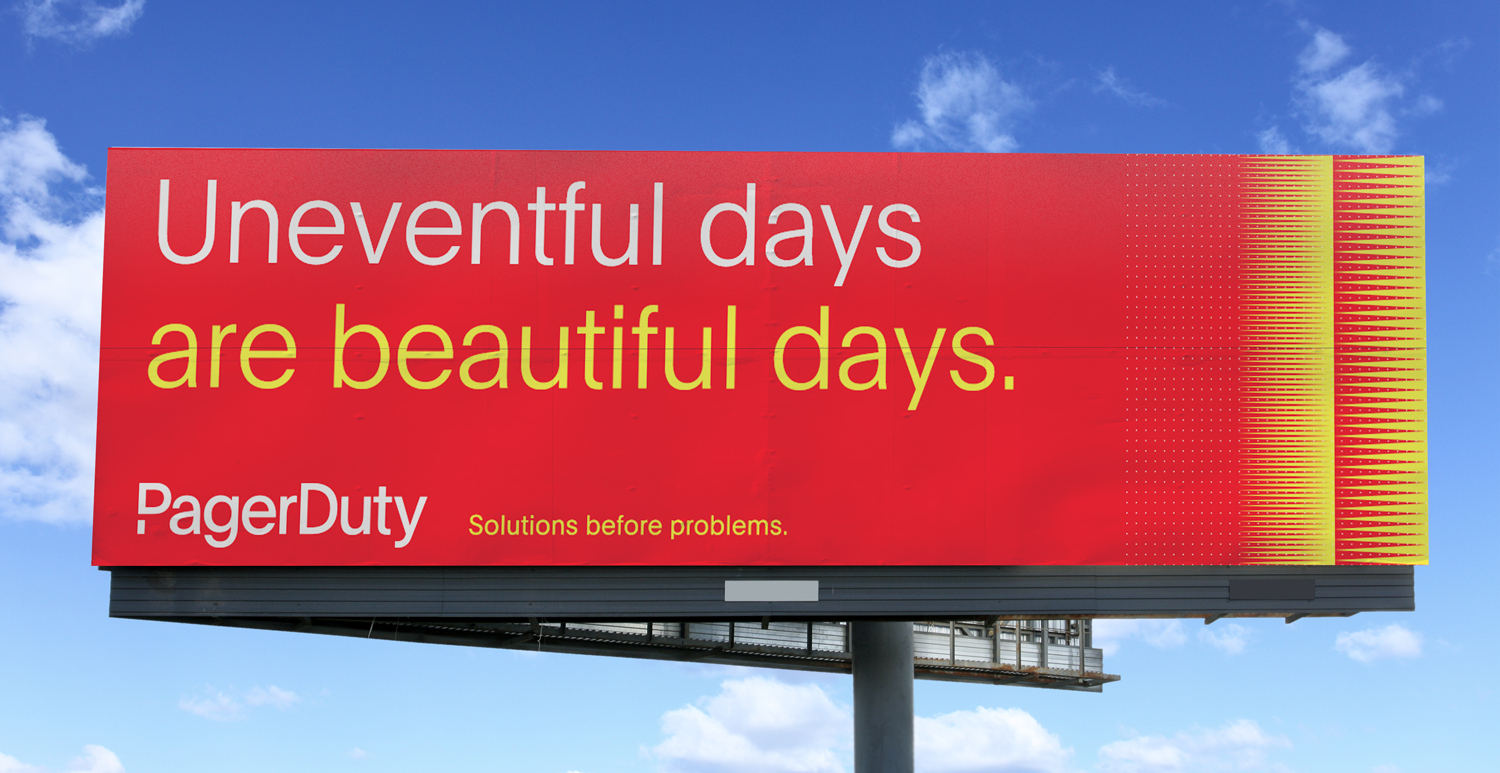
And yes, out-of-home. This immediately makes you big and real and supports your sales team. Look for one key permanent placement if you can find one. Or explore a train station takeover, bus wraps, shelters or stadium posters.
If you’re exhibiting at RSA, Dreamforce, SaaStr, or AWS re:Invent, we’d want your customers seeing your brand before they walk into the convention center, after they leave, and everywhere in between. But plan 6-9 months in advance for the best conference placements.
Annual Marketing Budget: $2 Million
Now we’re building presence.
We’d layer in larger online video buys. More ambitious social campaigns. Multiple out-of-home flights throughout the year. Airport advertising. Transit. Events around conferences. Pop-up experiences worth talking about. Customer events that don’t feel like customer events.
Imagine this sort of experience:
A CTO hears your CEO on a podcast.
A week later they see your campaign outside RSA.
Two weeks later your founder appears on LinkedIn.
The next week they pass your billboard on the way to Dreamforce.
That’s reach and frequency and familiarity. And familiarity is one of the most underrated advantages in B2B marketing.
Still wondering when it makes sense to bring in outside help? That’s exactly what we’ll cover in our upcoming guide, When Should a Startup Hire an Advertising Agency? A Guide for Series A and Series B Founders.

One of the many Stytch out-of-home messages from Division of Labor.
Two Companies That Got It Right
Stytch
When we started working with Stytch, we did not create that same B2B campaign as everyone else. You know. The ones that use super insider language targeting only developers? The ones regular people don’t understand?
We spoke to the insight that rings true for everyone, including developers: Passwords suck. Everyone hates them.
The challenge was making Stytch the company people remembered. Our campaign wasn’t about listing features. It was about creating a memorable brand in a category full of technical messaging.
The work became an OBIE finalist and got the city of San Francisco talking about them. More importantly, it helped establish Stytch as one of the standout companies in developer authentication during a period of extraordinary growth.
Statsig
Experimentation platforms tend to look and sound remarkably similar. Feature lists. Dashboards. Performance charts. With Statsig we had a different opportunity.
Instead of explaining every capability, we focused on making developers curious enough to want to learn more AND investors engaged enough to care.
Build. Measure. Learn. Repeat. That’s the product developer mindset. Testing is a way of life. But it’s also an idea that resonates at every level of business.
In both cases, the campaigns were big enough to build mass awareness while still resonating with the key target audience.
In the end, Stytch was bought by Twilio, and Statsig was bought by OpenAI. So if you’re a founder looking for an exit, build the brand earlier and exit earlier.

San Francisco Start up street scene photos by (L to R) Brett Sayles, Johan Van Geijl, Alex Azabache
The First Question We’d Ask in the Board Meeting
Imagine you’re sitting in your quarterly board meeting.
Pipeline is up.
Revenue is growing.
Hiring is on track.
Then one of your investors asks a simple question.
“Why do customers choose you instead of your biggest competitor?”
If the answer is a feature comparison, you’ve got work to do. Competitors catch up. They always do.
If the answer is something bigger than the product, you’re building a company instead of just software.
That’s the real job of marketing after a Series A. Building preference before someone ever talks to sales.
What We’d Stop Doing After a Series A
We’d stop rewriting the messaging every quarter.
Stop chasing every marketing trend.
Stop trying to sound like the category leader.
Stop treating advertising like a lead-generation expense.
Most of all, stop trying to look like every other startup.
The companies that become category leaders usually don’t look like category leaders on Day One.
They become category leaders because they were willing to be different before everyone else was.
The Takeaway
Series A gives you the resources to grow. Marketing gives you the opportunity to grow differently.
Your competitors can copy your features. They can hire your employees. They can bid on the same keywords.
They can even imitate your pricing.
The harder thing to copy is a company people recognize immediately.
That’s what great marketing builds.
Already raised your Series B? We’ll cover what changes next in How Much Should a Series B Startup Spend on Brand Marketing?
The startups that win the next stage aren’t always the ones with the biggest budgets. They’re the ones that people remember when it’s finally time to buy.
If you’re a Series A or B startup with a project to discuss, please click HERE
#######
The Small Agency Blog is produced by Division of Labor; a top San Francisco ad agency and digital marketing firm. The award-winning creative shop specializes in startups that have obtained Series B funding or higher. They also work with Series A startups with a deep commitment to marketing. Click here for a free consultation.