

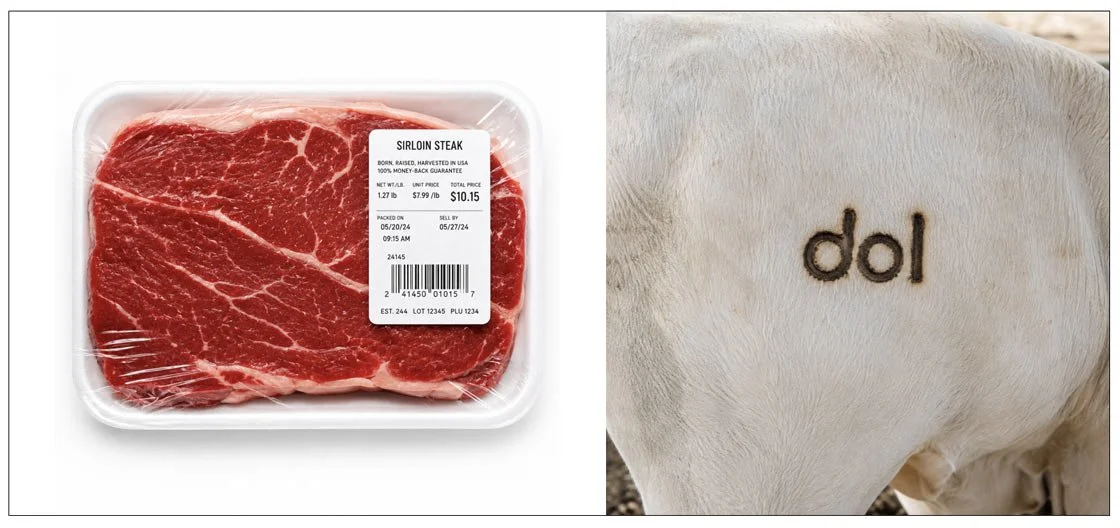
Product vs Brand. It’s sorta like this.
One of the biggest mistakes Series A and Series B startups make is expecting every piece of marketing to accomplish every goal. They shouldn't. Each thing should do one thing.
A brand campaign should build awareness of the product.
The website should tell the company story.
An ad should educate the market.
SEO should capitalize on interest in the category.
Don't ask a brand campaign to explain the difference between your product and someone else's.
That's how you end up with invisible advertising that tries to explain every feature, tell the company's story, impress investors, and close enterprise deals all at the same time. Understanding the difference between product marketing and brand marketing comes down to deciding what job you're asking each piece of marketing to do.
Once that's clear, the work gets better. So do the results.
Product Marketing Gets You Chosen
By the time someone lands on your website, they've already decided you're worth evaluating. Now they're trying to decide whether you're the right choice. That's product marketing's job. Answer the questions a potential customer has.
What does the product do?
Who is it for?
How is it different?
How much does it cost?
Will it work in our environment?
Your website. Your demo. Your sales deck. Your comparison pages. Your customer case studies. Every one of them should make it easier to choose your product. Good product marketing answers questions. It removes friction. It gives sales a head start.
“Brand Marketing Gets You Considered. Product Marketing Gets You Chosen.”
Brand Marketing Gets You Considered
Brand marketing starts much earlier. Long before someone schedules a demo, downloads a white paper or even realizes they need your product.
Brand marketing should not be tasked with explaining the product. Why explain a product to someone who doesn’t want your product?
Brand marketing’s job is to make sure your company is considered when the buying process begins. Just get on the list.
Think about the companies you notice over and over again. Maybe you've heard them sponsor a podcast or a golf tournament.
Maybe you saw a billboard outside RSA. Maybe you saw a funny video on LinkedIn.
None of those things explain features. They simply make the company familiar before the buying process starts. That's what great brand marketing does.
Why This Matters
Separation affects almost every marketing decision a startup makes. A founder wonders why a billboard didn't generate enough leads.
A marketing team wants the homepage to recruit employees and convert prospects.
A product launch gets judged on whether it explained every feature well enough for the lawyers and the engineers. Everyone walks away disappointed because one piece of marketing was expected to solve six different problems.
Just remember that every marketing asset has a primary job. Know what that job is before you judge whether it worked.
Different Jobs. Different Questions.
The easiest way to think about the difference is this.
Product Marketing Brand Marketing
What does it do? Why should I care?
How does it work? Why do I need it?
How is it different? What's it going to do for me?
Is it worth buying? Do I trust them?
Will it work for me? Why should I remember this company?
Product marketing answers questions. Brand marketing creates familiarity before those questions are ever asked.
Brand marketing gets you considered. Product marketing gets you chosen.
You, of course, have to do both. But don’t stick your head of product in charge of marketing and expect them to build brand awareness. And don’t invest in a great brand person and expect them to optimize your website SEO and run Google demand-gen ads.
The CTA Test
Think about a Call To Action: “Learn more,” “Click for more info,” “Get a free demo”
Everything that happens before the click is brand. Everything that happens after the click is product marketing.
Product marketing explains why your product is the right choice. Brand marketing makes a prospect care enough to want to find out more.
Take Stripe as a good example. Its documentation, demos, API reference, and developer experience are outstanding product marketing. Its design, writing, events, and personality are outstanding brand marketing.
Slack did the same thing. The product was easy to understand. The brand made enterprise software feel approachable.
Notion sold software. It also sold a philosophy about how people should work.
The companies people admire don't choose between product marketing and brand marketing. But they know the difference between the two and don’t ask one to do the other’s job.
A Division of Labor Story
Statsig faced the same challenge most infrastructure companies face.
Their product did something important for a subset of people. They had a list of compelling features. Dashboards. Performance charts.
We could have built a campaign explaining how their experimentation feature set was better than competitors. But that is inherently not compelling. It’s like smart parents bragging about their kid’s accomplishments. Of course they think their kid/product is great. How does that connect with me?
What’s the idea a potential user can latch onto:
Build. Measure. Learn. Repeat.
Developers immediately understood it because experimentation is already part of their world.
Executives understood it because it described how great companies improve.
Investors understood it because disciplined iteration builds valuable businesses.
That's what happens when product marketing and brand marketing support each other instead of competing with each other.
One explains why the product is the right choice.
The other makes sure people remember who built it.
The best companies don't force one to do the other's job.
The Takeaway
Brand marketing gets someone to say:
"I've heard of these guys."
Product marketing gets someone to say:
"These are the ones we should buy."
One gets you considered.
One gets you chosen.
The startups that grow the fastest usually understand the difference long before their competitors do.
Next in the series: When Should a Startup Hire an Advertising Agency? A Guide for Series A and Series B Founders.
And if you missed The Startup Marketing Playbook, well, that’s kinda like skipping Star Wars and jumping right into The Empire Strikes Back. Kinda.
#######
The Small Agency Blog is produced by Division of Labor; a top San Francisco ad agency and digital marketing firm. The award-winning creative shop specializes in startups that have obtained Series B funding or higher. They also work with Series A startups with a deep commitment to marketing. Click here for a free consultation.